Irish Pub NYC Highlights for Anyone Who Loves Cozy Venues
New York has no shortage of bars with polished cocktail menus, panoramic views, and reservations booked solid two weeks out. Yet for many people, the places they return to are smaller, warmer, and easier to settle into. A good Irish pub delivers exactly that kind of comfort. It offers conversation without performance, food that actually steadies you, and a room that feels lived in. When people search for an Irish Pub NYC experience, they are often looking for more than a pint. They want atmosphere, continuity, and that rare sense that a city moving at full speed can still make room for a slow evening.
The best Irish pubs in New York are not all the same, and that is part of their appeal. Some lean traditional, with dark wood, framed county maps, old Guinness mirrors, and bartenders who know how to pull a proper pint without making a show of it. Others mix old-world cues with neighborhood bar energy, attracting office workers at six, soccer fans at nine, and couples sharing late plates closer to midnight. A few are so compact that you can feel the door open from across the room. Others spread over multiple rooms and somehow still manage to feel intimate.
What separates a truly cozy pub from a merely themed one is not the shamrock décor or the accent behind the bar. It is the texture of the experience. The lighting should flatter the room, not interrogate it. The soundtrack should support the crowd, not compete with it. The bartender should notice when your glass is low without hovering. A solid pub understands pacing. It lets a quick stop become a two-hour visit without ever feeling pushy.
What “cozy” really means in a New York pub
Cozy is one of those words people use loosely, but in practice it is fairly specific. In New York, where square footage is precious and many bars chase volume, a cozy venue tends to succeed by controlling the sensory details. Seating matters. So does the distance between tables, the softness of the light, and the amount of visual clutter on the walls. A room can be packed and still feel comfortable if the energy is right. It can also be half empty and feel sterile if it was built for turnover instead of lingering.
Irish pubs often get this balance right because their design language favors warmth. Wood absorbs some of the sharpness that metal and glass can create. Low ceilings, or at least the impression of them, help voices stay in the room rather than bounce around it. Upholstered banquettes, carved bars, old photographs, and slightly worn finishes all contribute to a place feeling established instead of staged.
That last distinction matters. New Yorkers are good at spotting when a venue was built from a marketing mood board. A pub that feels too freshly manufactured can look attractive but still miss the emotional point. The places people remember tend to have some patina, some friction, some evidence that life has happened there. Maybe the brass foot rail has softened from use. Maybe the bar top carries a few faint marks from years of glasses landing in the same spots. Maybe the room smells faintly of stew, beer, and raincoats in winter. None of that can be faked convincingly.
The atmosphere that keeps people coming back
Anyone can pour a beer. Far fewer places know how to create the kind of atmosphere that invites repeat visits from people who have every option in the city at their fingertips. A great Irish pub makes hospitality look effortless. You walk in cold, rushed, overstimulated, and within ten minutes your shoulders drop.
Part of that has to do with service style. In the strongest pubs, bartenders and servers are attentive without becoming overfamiliar. They read the room. A regular who wants conversation gets it. A couple tucked into a corner is left alone. A solo guest with a book is welcomed, not treated as a low-priority seat. That level of social intelligence is harder to train than carrying plates, and regulars notice when a place has it.
Music is another underrated factor. The coziest pubs in New York rarely blast playlists designed for table turnover. You are more likely to hear classic rock, folk, old standards, or a restrained mix that leaves room for actual speech. On certain nights, live music can deepen the atmosphere, especially when it stays rooted in the room rather than turning the pub into a concert venue. A fiddler in the corner or a low-key session can be wonderful. A full-volume act that makes ordering impossible usually works against the pub’s best qualities.
Then there is the matter of pace. One reason an Irish Pub NYC search turns up so many beloved spots is that pubs are one of the few urban venues where lingering still feels legitimate. Nobody is rushing you through your second drink because the next reservation needs the table. Nobody expects a social media performance. You can meet an old friend, split shepherd’s pie, and let the evening unfold.
Food is not an afterthought
Some of the coziest pubs in the city understand that warmth is physical as much as emotional. On a wet November night, that means something hot on the table. Even a modest menu can make a pub memorable if it covers the essentials with care. A good bowl of Irish stew, fish and chips with a shattering crust, bangers and mash, soda bread, or a dependable burger can do more for a guest’s loyalty than a dozen decorative flourishes.
Food quality in Irish pubs varies widely, and that is one of the practical trade-offs worth considering. Some pubs are drink-first establishments with a few safe options for soaking up pints. Others operate closer to full restaurants and take serious pride in the kitchen. Neither model is inherently better. It depends on what kind of evening you want. If you are meeting friends after work and everyone arrives hungry, the kitchen matters. If you just want one pint in a room with character, a shorter menu may be plenty.
What matters most is honesty. If a pub keeps the menu concise, the dishes should arrive hot, correctly seasoned, and in portions that feel fair for Manhattan prices. New York diners are surprisingly forgiving https://rowanoyjy508.opalvector.com/posts/irish-pub-nyc-favorites-for-authentic-city-hospitality about limited ambition when the basics are done well. They are far less forgiving about cold fries, tired fry oil, or reheated mash served with theatrical charm.
Brunch deserves a mention too. Some Irish pubs in the city shine earlier in the day, especially on weekends when the room fills with people who want a sturdy breakfast and less scene than a café packed with laptops. An Irish breakfast, brown bread, smoked salmon, or even well-made eggs with rashers can make a pub feel like an anchor in the neighborhood rather than a nighttime-only operation.
Pints, whiskey, and what to order when you care about the details
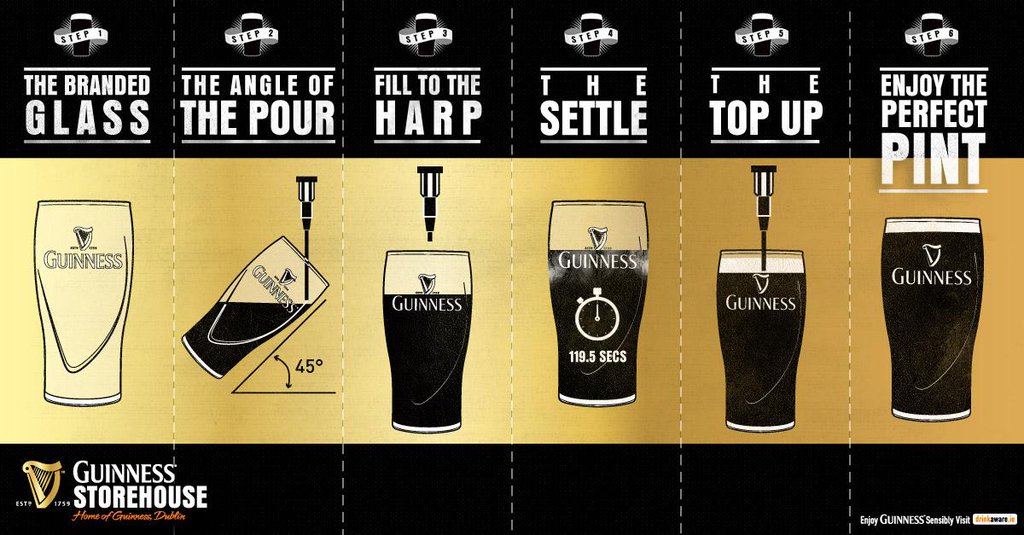
There is an obvious reason many people seek out an Irish pub, and it sits in a glass. A properly poured Guinness remains one of the simplest tests of whether a place takes its identity seriously. This does not mean every good pub must center itself around stout, but it does mean the staff should understand draft maintenance, glassware, and patience. A careless pour is often a sign of broader indifference.
That said, drinking well in an Irish pub is not limited to Guinness. Smithwick’s, Harp, local lagers, ciders, and a focused whiskey list can all make a place worth visiting. A strong back bar often includes Irish staples alongside Scotch, bourbon, and a few approachable cocktails for guests who want something lighter. The best menus are edited with confidence. You do not need a hundred whiskeys if the team behind the bar can guide you toward a bottle that fits your taste and budget.
There is also something to be said for the ritual of ordering simply. In a city where menus can read like chemistry notes, the pub offers a pleasant reset. A pint, a whiskey neat, or an Irish coffee on a cold night can feel more satisfying than a drink garnished into absurdity. The experience is less about novelty and more about execution.
For anyone planning a first visit to a new pub, a few small tells often reveal a lot:
- Look at the bar top and tap lines. Cleanliness usually reflects how seriously the place takes service.
- Notice the noise level before you sit down. Cozy should mean conversational, not silent and not deafening.
- Watch how staff greet solo guests and regulars. Warmth that extends beyond familiar faces is a strong sign.
- Scan the menu for a few dishes that suggest confidence rather than bloat.
- If stout is part of the pub’s identity, order one and see whether it arrives with care.
Those details do not guarantee a perfect evening, but they improve the odds substantially.
Different neighborhoods, different pub personalities
One reason the Irish Pub NYC landscape stays interesting is that neighborhood context changes everything. A pub in the Financial District often operates on a very different rhythm from one on the Upper West Side or in the East Village. The bones may be similar, but the crowd, the hour of peak traffic, and the overall mood shift dramatically.
Midtown pubs can be better than their reputation suggests. Yes, some cater heavily to office traffic and tourists, and a few feel transactional. But Midtown also contains long-running pubs that understand exactly what overstimulated workers need at the end of the day: quick service, a stable menu, and a room where you can actually hear your companion. If you choose carefully and avoid the most aggressively generic places near major transit hubs, there are solid options with real warmth.
Downtown pubs often attract a broader mix. In neighborhoods where nightlife spills late, the best Irish pubs provide a welcome contrast to louder bars. They become meeting points for dates, post-shift dinners, and impromptu reunions. These venues may have more design polish, but the successful ones resist becoming too slick. A pub can be handsome without losing its soul.
Uptown, especially in more residential pockets, the strongest pubs often function as community living rooms. Parents stop in early for dinner. Neighbors gather around a match. Older regulars hold down familiar stools while younger crowds cycle through on weekends. That intergenerational blend is one of the most appealing features of a truly local pub. It gives the room continuity.
Outer boroughs deserve more credit in this conversation as well. Parts of Queens and the Bronx, in particular, have Irish pub traditions tied not just to hospitality but to long-standing community networks. Some of the warmest, least self-conscious pub experiences in the city happen away from the most obvious Manhattan corridors. If your idea of cozy includes authenticity over trend awareness, it is worth venturing farther afield.
When to go, and when not to
Timing can shape your impression of a pub as much as the venue itself. A room that feels magical on a Tuesday at 7:30 can feel shoulder-to-shoulder and impatient on a Friday after 9. That does not mean busy nights are bad. For some guests, a little crowd energy is part of the charm. But if your goal is softness, conversation, and a long, unrushed stay, choose your window carefully.
Early evenings during the week are often ideal. The after-work rush comes and goes, and then the room settles. Sunday afternoons can also be excellent, especially in colder months when people drift in from the street looking for a roast, a pint, or a place to watch a match. Rainy days, unsurprisingly, are prime pub weather. Few venues feel as satisfying as an Irish pub when umbrellas are dripping by the door and the windows have just started to fog.
Holiday periods are a mixed bag. Around St. Patrick’s Day, many pubs become festive to the point of chaos. That can be fun if you want collective energy and do not mind crowds, but it is rarely the best moment to appreciate a venue’s quieter strengths. December, by contrast, can be wonderful. Decorations, fireplaces where available, and the general city chill tend to deepen the sense of shelter.
Cozy does not always mean quiet
People often confuse coziness with hush, but some of the best pub rooms are lively. The key is density without harshness. You want the hum of conversation, the clink of glassware, maybe a burst of laughter from the far side of the bar. What you do not want is audio fatigue. If every surface is hard and every speaker is turned up past reason, a bar stops being restorative.
This is where room design and crowd management show their value. Narrow spaces can feel intimate if the bar team paces seating well. Larger spaces can still feel cozy if they are broken into smaller zones, with booths, alcoves, or side rooms that create privacy. Fireplaces, even decorative ones, help. So do corners, window seats, and any table that offers a slight sense of enclosure.
It is worth being honest about personal preference here. Some guests define cozy as dark and nearly hidden. Others want brightness, activity, and the reassurance that something is happening around them. The best pubs accommodate both by giving the room options. A stool at the bar for one kind of night, a tucked-away booth for another.
Signs a pub is the real thing
Authenticity can be an overused word, especially in hospitality writing, but it still has meaning when handled carefully. A real pub does not need to advertise itself too hard. Its character shows up in habits rather than slogans. Staff know the menu and the pours. The crowd includes people who clearly come often. The room feels maintained rather than periodically reinvented.
You can usually sense this within twenty minutes. If every detail appears optimized for photos, something may be off. If the room contains oddities, old framed items no one would buy new, and a mix of customers who seem at ease occupying the space for very different reasons, you may have found something better. Real pubs make room for life as it is actually lived. Office workers loosen ties. Visitors thaw out. Friends debate football. Someone at the end of the bar eats soup alone and looks perfectly content.
There is also a cultural dimension worth respecting. Irish pubs in New York carry layers of history, from immigrant communities to labor networks to neighborhood institutions that outlasted waves of change. Not every pub needs to present itself as a historical artifact, but the best ones tend to understand they are participating in a tradition larger than décor. That can show up in live music, sports screenings, hospitality style, or simply a refusal to become anonymous.
How to choose the right one for your night
The smartest way to choose an Irish pub is to start with the kind of evening you want, not the most talked-about address on social media. If you want a first-date setting, prioritize lighting, table spacing, and lower noise. If you are catching up with old friends, a bigger room with steady service and strong food may matter more. If your priority is a pint poured well and little else, a compact bar with regulars can be perfect.
A little homework helps, but not too much. Menus, photos, and neighborhood clues can narrow the field. Beyond that, trust your senses. Walk in. Stand at the bar for a minute. Listen. Smell the kitchen. Look at the faces in the room. The right pub often announces itself quietly.
For practical planning, these factors usually matter most:
- Distance from transit, especially if the weather is poor or the group is meeting from different parts of the city.
- Whether the kitchen serves late, which can make or break a spontaneous visit.
- Match nights or live music schedules, both of which can transform the mood.
- Reservation policy, particularly for larger groups.
- The balance between bar seating and tables, depending on whether you plan to stay for a full meal.
That short checklist saves a surprising amount of frustration, especially in neighborhoods where one block can contain both a gem and a tourist funnel.
Why the Irish pub keeps its place in New York
Trends in New York hospitality move fast. Concepts arrive with fanfare and disappear before the paint has fully settled. Through all that churn, the Irish pub remains one of the city’s most durable forms because it meets a basic need better than most venues do. It offers steadiness. Not sameness, but steadiness. You know the room is trying to take care of you.
For people who love cozy venues, that matters more than novelty. A pub can still surprise you, with an unexpectedly excellent plate of fish and chips, a bartender who remembers your order weeks later, a singer in the corner who lifts the whole room, or a back booth that becomes your preferred winter meeting spot. Yet the underlying promise stays consistent. Warmth, hospitality, and enough ease to let the city fade into the background for a while.
That is the real appeal behind the phrase Irish Pub NYC. It is not just about style or cuisine or national identity used as branding. At its best, it points to a certain kind of urban refuge. The lights are low. The wood is dark. Someone is laughing near the bar. Your drink arrives as it should. Outside, New York keeps racing. Inside, for an hour or two, nobody asks you to keep up.
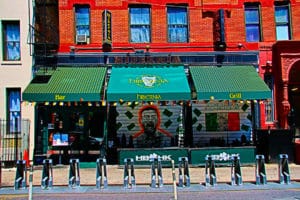
Hibernia Bar
401 W 50th St
New York, NY 10019, United States
Phone: +1 212-969-9703
FAQ About Irish Pub NYC
What is the best Irish pub in NYC?
The best choice depends on your location and preferred atmosphere. Hibernia Bar is a neighborhood Irish pub in Hell's Kitchen offering Guinness, Irish whiskey, pub food, and sports viewing.
Where do Irish people go in NYC?
New York's Irish community gathers in many neighborhoods and venues. Hibernia Bar welcomes Irish expats, local residents, and visitors at 401 W 50th St, just off Ninth Avenue.
Where can I watch GAA games in New York?
Hibernia Bar lists GAA among the sports it shows. Call +1 212-969-9703 to confirm coverage and opening times for a particular match before visiting.
What is the difference between a bar and a sports bar?
A sports bar emphasizes televised games and a shared viewing atmosphere. Hibernia combines sports viewing with the food, drinks, and hospitality of a neighborhood Irish pub.